
Many people begin coin collecting with excitement, only to discover later that something feels incomplete or unfocused. A collection can grow in size yet fail to deliver satisfaction, clarity, or progress. Your technique, physical tools or a coin scanner app are likely to be alright — it might be psychological reasons that keep you unsatisfied.
Let’s analyse personal motivations, tendencies, and habits to decide if coin collecting matches your mindset—or why your current approach feels misaligned.

The Hidden Psychological Drivers
Coin collecting appeals to several psychological patterns that shape long-term enjoyment:
1. The Need for Structure and Meaning
People who enjoy turning scattered information into order often thrive in numismatics. Cataloging, labeling, and building chronology give each decision a purpose. A lack of structure, on the other hand, results in random purchases that drain motivation.
2. Curiosity for Small Details
Successful collectors enjoy examining clues: mint marks, subtle varieties, design transitions, or composition changes across decades. If small discoveries energize you, the hobby aligns naturally with your cognitive preferences.
3. Comfort With Slow Progress
Coin collecting rewards patience. Rare dates may take months to find, and research requires consistent attention. Individuals who appreciate steady progress often feel more fulfilled than those expecting quick excitement.
Common Early Disconnects
Beginners often experience a mismatch between expectation and outcome. These early obstacles reveal a lot about psychological fit:
- Buying Without a Theme: Trend-driven collecting feels exciting at first but creates a set with no identity.
- Relying on Impulse: Rushed buys lead to overpaying, fakes, and regret.
- Ignoring Documentation: Unrecorded coins lose context, making the collection feel chaotic.
- Improper Handling: Damaged surfaces turn enthusiasm into frustration.
- Chasing Every Trend: Following the crowd erodes personal satisfaction.
These issues are not signs that the hobby is wrong for you. They often indicate a disconnect between personality and collecting style. Once motivations are clarified, collecting becomes more rewarding and strategic.
Motivations, Mindset Alignment, and the Mistakes That Hold Collectors Back
A strong psychological fit shapes the way collectors plan, research, and maintain their sets. When motivation aligns with structure, coin collecting becomes both enjoyable and sustainable. When the alignment is weak, even a large collection may feel disorganized or disconnected.
1. Desire for Completion
Many collectors feel energized by filling gaps. Completing a date run, finishing a mint-mark set, or building a themed timeline creates a steady sense of progress. This motivation suits individuals who enjoy long-term projects with clear goals, and makes the coin value of each piece specific and irreplaceable.
2. Attraction to History
Some collectors see coins as entry points to real events. A wartime nickel or a monarch portrait offers tangible connection to the past. People with strong historical curiosity often build collections that feel personal and meaningful.
3. Search for Rarity and Strategy
For analytical thinkers, scarcity becomes the challenge. They enjoy studying mintage data, comparing prices, and tracking small varieties. The thrill comes from identifying opportunities at the right moment.
How to Identify Your Psychological Fit
A few indicators show natural alignment with numismatics:
- Research Feels Rewarding: You enjoy learning specifications, reading about mint history, and comparing variations.
- Organization Comes Naturally: Cataloging, labeling, and creating order feel calming rather than demanding.
- Details Capture Your Attention: You notice subtle differences and enjoy understanding them.
- You Prefer Steady Growth: Gradual improvement in a collection brings more satisfaction than fast buying.
These signs show compatibility with the methodical pace of coin collecting.
Mistakes That Create Psychological Friction
When motivation and behavior fall out of sync, collecting feels less enjoyable. Common issues include:
- No Theme or Focus: The collection grows without narrative, creating a scattered look.
- Improper Storage and Handling: Fingerprints, humidity, or PVC holders cause long-term damage that undermines pride in the collection.
- Impulse Purchases: Buying without research leads to overpaying, fakes, or disappointment.
- Lack of Documentation: Without records, coins lose context and value becomes unclear.
Digital tools help reduce these mistakes. The Coin ID Scanner app supports clear structure through photo identification, detailed coin data, and a digital collection manager. Its database of more than 187,000 coins and AI Coin Helper make research straightforward, limiting errors tied to impulse or uncertainty.
Psychological Obstacles, Corrective Strategies, and Final Evaluation
Even collectors with strong motivation face psychological traps that disrupt progress and enjoyment. Understanding these obstacles helps refine habits, protect value, and restore clarity within the collection.
1. Hedonic Adaptation
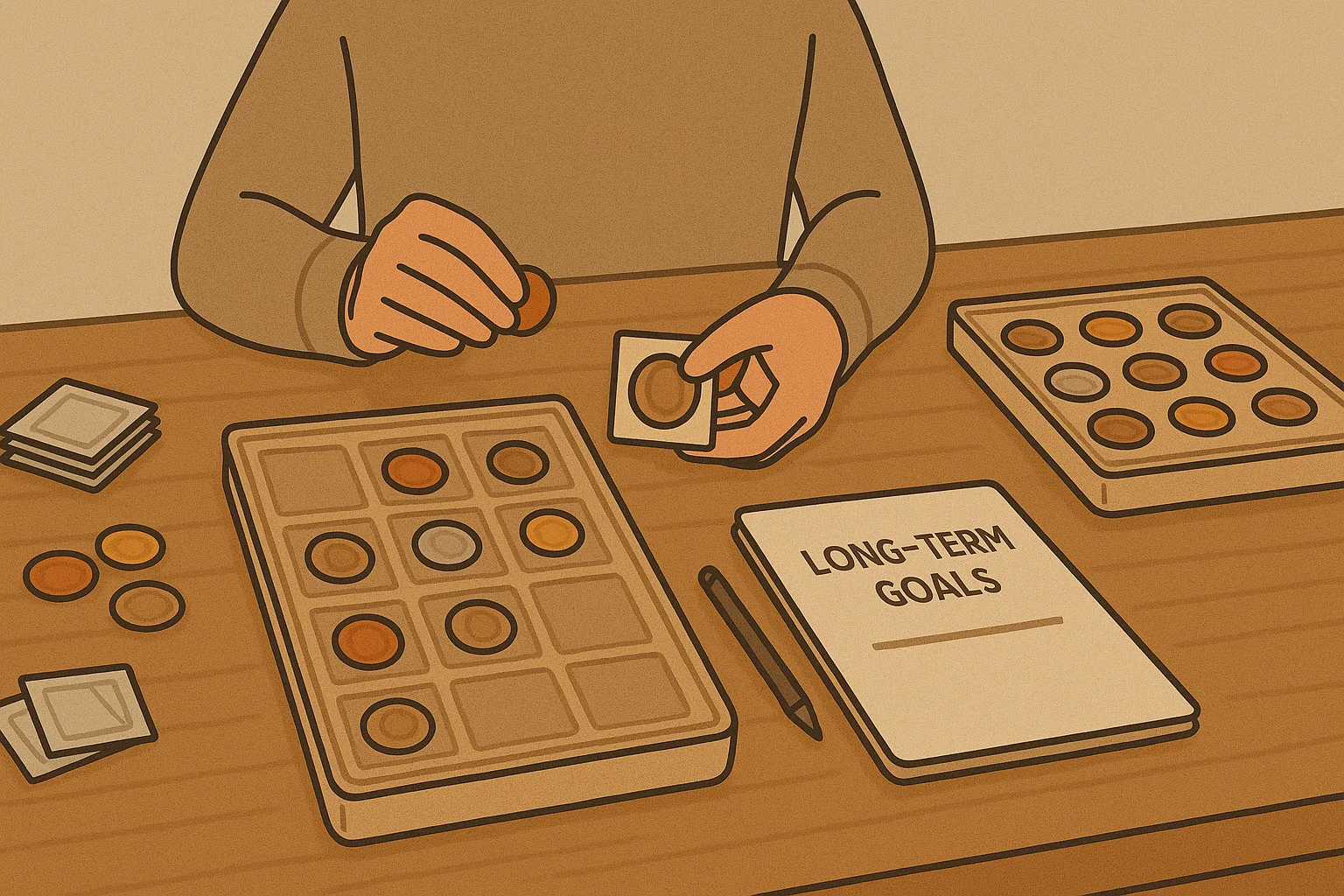
The thrill of a new coin fades quickly. Without a deeper purpose or theme, each purchase feels exciting only for a moment. This effect pushes collectors toward constant buying rather than thoughtful curation. The best fix is to build meaning into the collection through themes and long-term goals.
2. Mismatched Motivations
Some individuals enter the hobby for reasons that conflict with their natural habits. For example:
- A detail-oriented person trapped in trend chasing
- A historically minded collector stuck buying modern hype pieces
- A strategist focusing on low-value bulk lots
When collecting behavior conflicts with personality, frustration grows. Re-evaluating motivations brings alignment back into the process.
3. Perfectionism
Coins are physical objects with imperfections. Expecting flawless surfaces or instant progress leads to discouragement. Perfectionism also drives unnecessary upgrades and financial strain. Balanced expectations help maintain steady growth.
Corrective Strategies to Improve Satisfaction
A few adjustments elevate a collection from scattered to purposeful:
- Define a Theme: Focus on eras, countries, metals, portraits, or historical events.
- Organize Properly: Record mint years, varieties, and purchase notes.
- Improve Handling: Use gloves, acid-free holders, and dry storage conditions.
- Research Before Buying: Compare price guides, grades, and similar sales.
- Set Clear Budgets: Prevent emotional or impulse purchases.
- Use Digital Tools Wisely: The best coin identifier app streamlines documentation and verification.
The Coin ID Scanner app supports these habits by identifying coins through photos, providing key specifications, and maintaining an organized digital collection. Its large database and smart features reduce guesswork, making the hobby manageable for beginners and structured for experienced collectors.
Final Evaluation: Does Coin Collecting Fit You?
Coin collecting suits individuals who enjoy order, research, and gradual achievement. The hobby becomes fulfilling when each coin contributes to a clear narrative or long-term project. With the right psychological fit—and with habits that match that mindset—collecting evolves from a confusing pile of coins into a meaningful, growing archive of history.
For those who refine their approach, stay organized, and align collecting with personal motivations, numismatics becomes a rewarding part of life that offers lasting engagement and steady satisfaction.